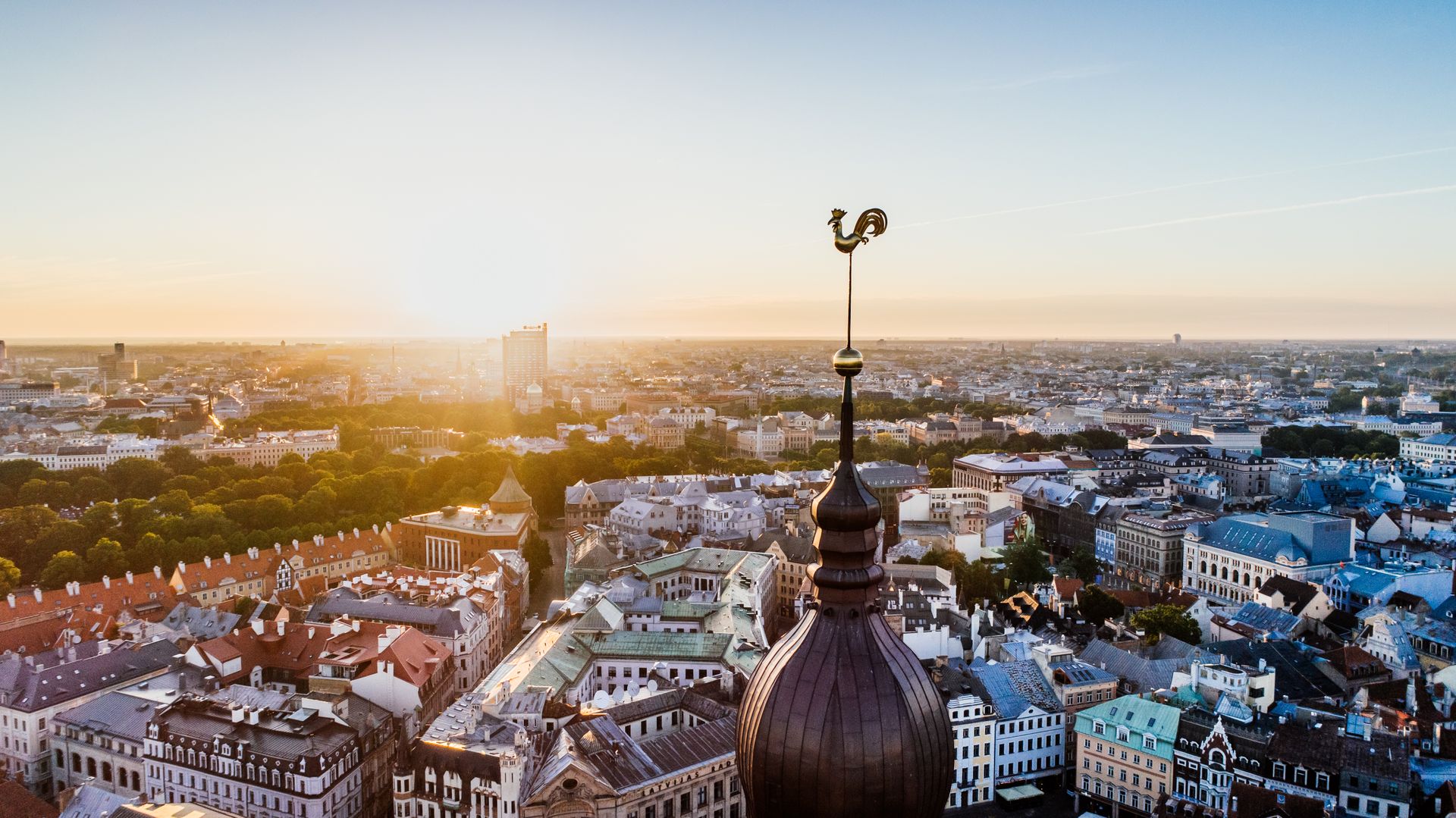
10 Best Things To Do in Riga, Latvia
Riga, the capital of Latvia, is one of the most underrated city-break destinations in Northern Europe. Combining a UNESCO-listed medieval Old Town, some of Europe’s finest Art Nouveau architecture and a lively food scene, the city offers plenty to explore without the crowds of Europe’s better-known capitals.
Set along the banks of the Daugava River, Riga is a wonderful mix of historic landmarks, charming cobblestone streets, traditional markets and stylish cafés. Its compact centre also makes it easy to explore on foot, making it an excellent destination for a weekend getaway.
Whether you’re visiting for the first time or planning a longer Baltic adventure, here are 10 of the best things to do in Riga, along with practical tips to help you plan your trip.
Disclaimer: this article contains affiliate links, which means that we may earn commission on your clicks and purchases. Learn more in our affiliate disclosure.
1. Explore Riga’s Beautiful Old Town (Vecrīga)
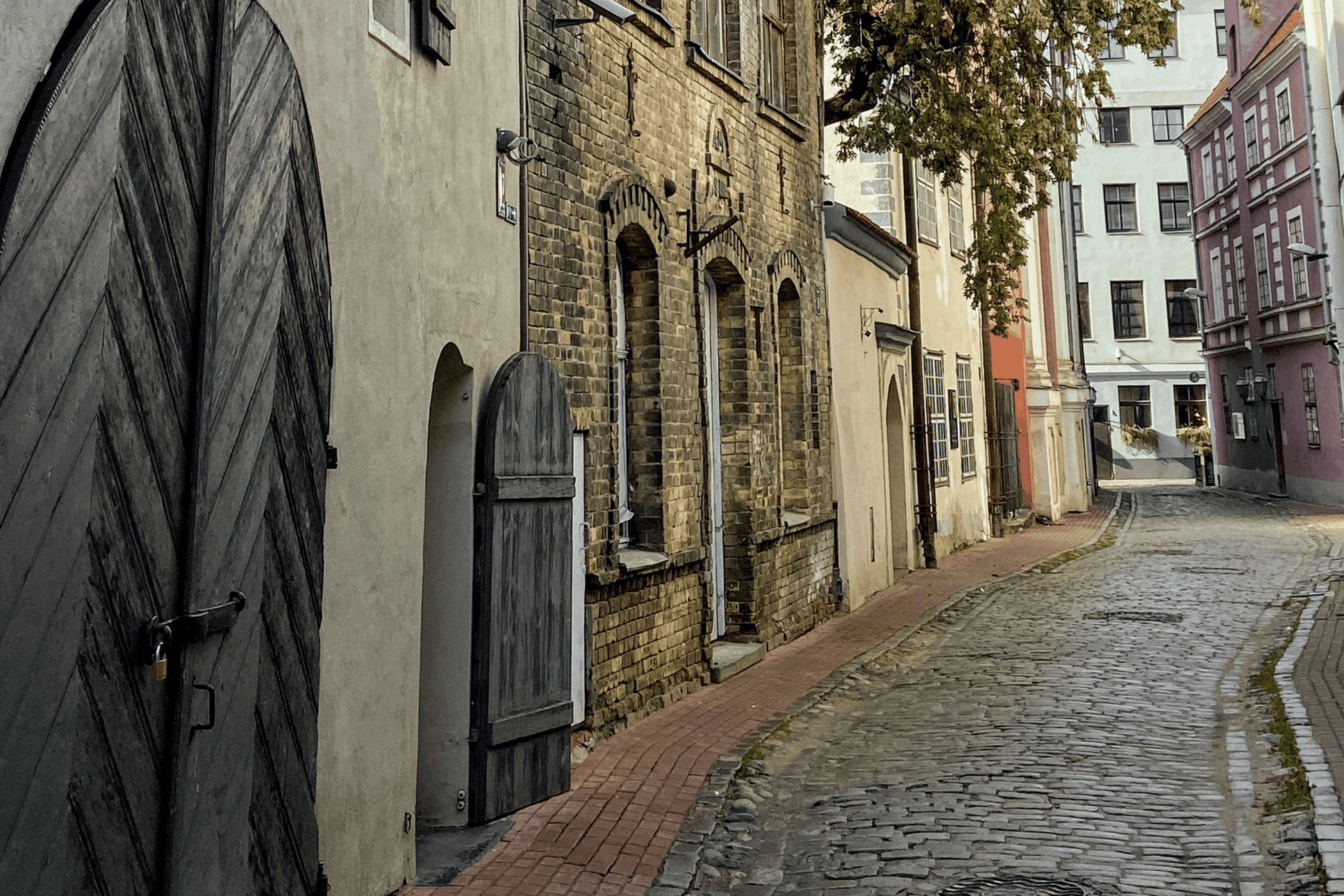
Riga’s Old Town, known locally as Vecrīga, is the natural starting point for any visit. Recognized as a UNESCO World Heritage Site, this historic district dates back more than 800 years and is filled with medieval buildings, picturesque squares and charming cafés.
Some of the highlights include Town Hall Square, home to the impressive House of the Blackheads; Dome Square, surrounded by historic architecture; Līvu Square, a lively spot lined with restaurants; and the Three Brothers, a group of three adjoining medieval houses.
Worth booking: Riga Old Town Walking Tour with a Local Guide
2. Admire Riga’s Extraordinary Art Nouveau Architecture
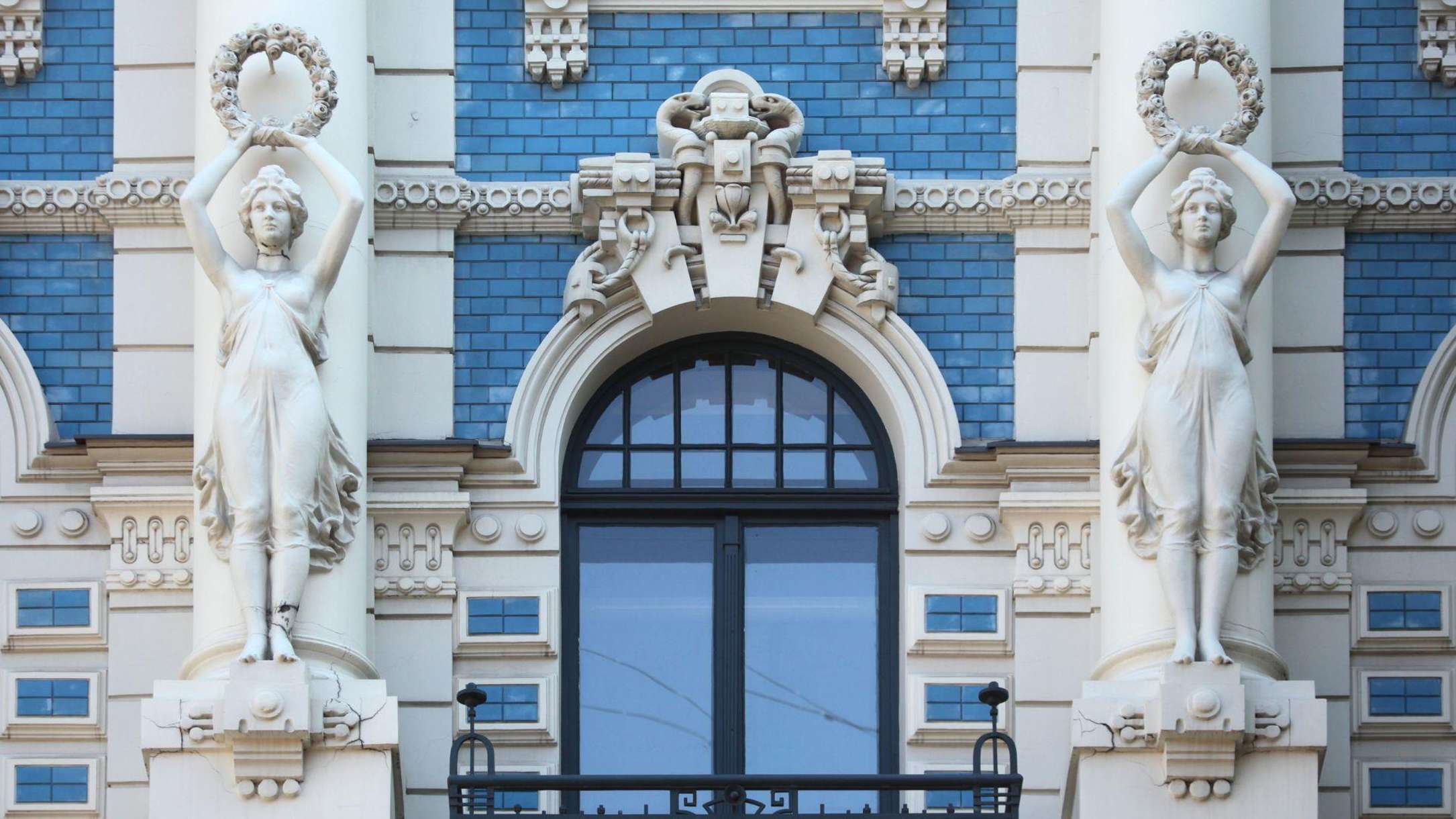
Riga is one of Europe’s leading destinations for Art Nouveau architecture, with more than 800 buildings showcasing this distinctive style. Elaborate façades, sculpted faces, floral ornaments and decorative balconies make the city particularly impressive for architecture enthusiasts.
The best place to admire these buildings is the Quiet Centre district, especially Alberta iela, where you’ll find some of Riga’s most spectacular examples. Elizabetes iela and Strēlnieku iela are also worth exploring.
For a deeper understanding of the city’s architectural heritage, visit the Riga Art Nouveau Centre, a beautifully preserved period apartment, or join an Art Nouveau & City Parks Walking Tour with a Guide.
3. Visit the House of the Blackheads
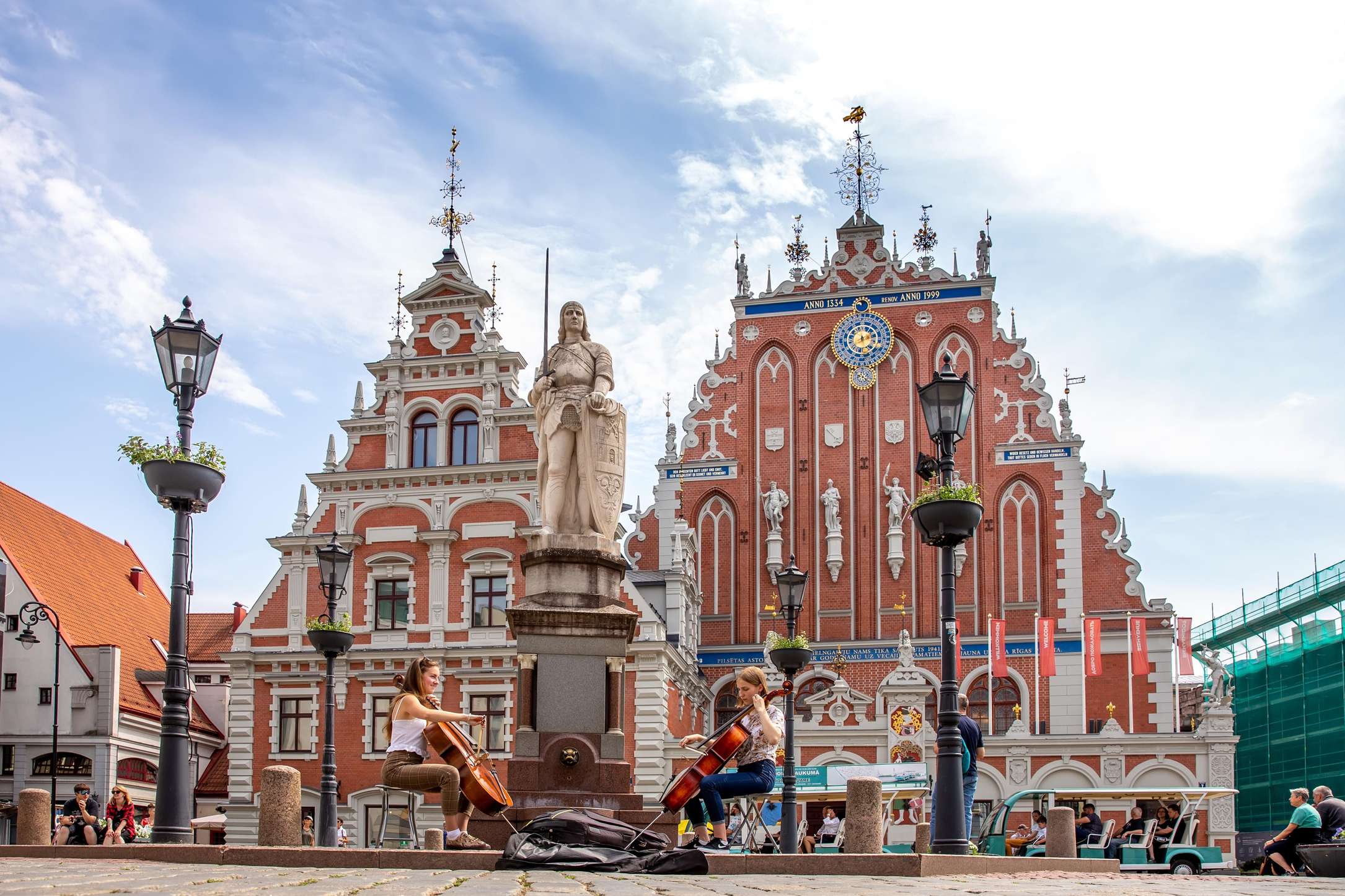
Located in the heart of Town Hall Square, the House of the Blackheads is arguably Riga’s most photographed building and one of its most impressive architectural landmarks.
Originally built in the 14th century as a meeting place for the Brotherhood of Blackheads, a guild of unmarried foreign merchants, the building is famous for its elaborate façade and richly decorated interiors.
Although the original structure was destroyed during World War II, it was carefully reconstructed in the late 1990s. Today, visitors can explore its historic halls, exhibitions and underground cellars.
Book your House of the Blackheads entrance ticket here.
4. Climb St. Peter’s Church for Panoramic Views
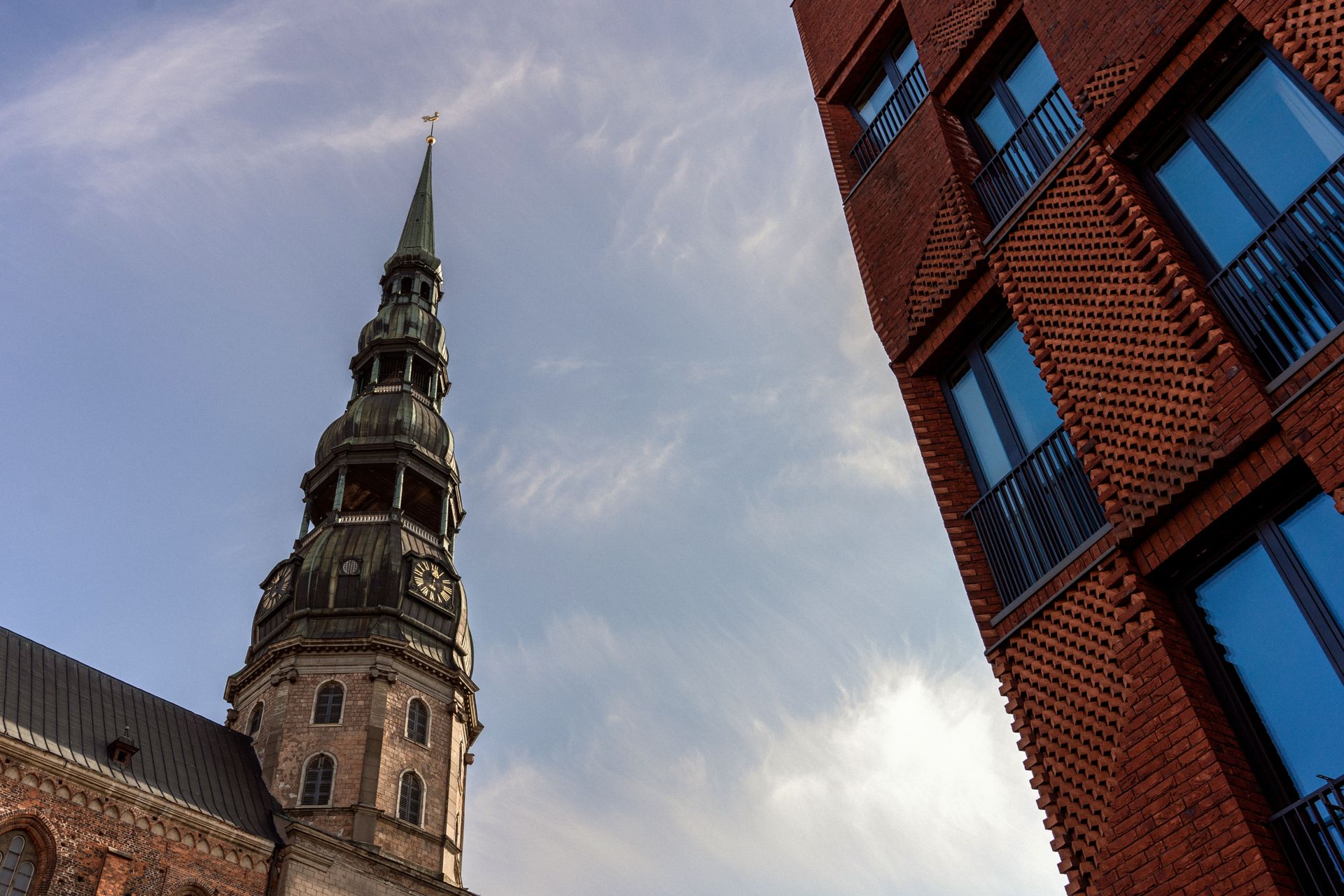
For some of the best views in Riga, head to St. Peter’s Church, a striking Gothic landmark in the heart of the Old Town. Dating back to the 13th century, the church is known for its impressive tower, which dominates the city’s historic skyline.
An elevator takes visitors to an observation platform approximately 72 metres above ground, offering panoramic views across the Old Town’s red rooftops, church spires and the Daugava River. On a clear day, it’s an excellent spot to appreciate Riga’s architectural beauty from above.
5. Discover Riga Central Market
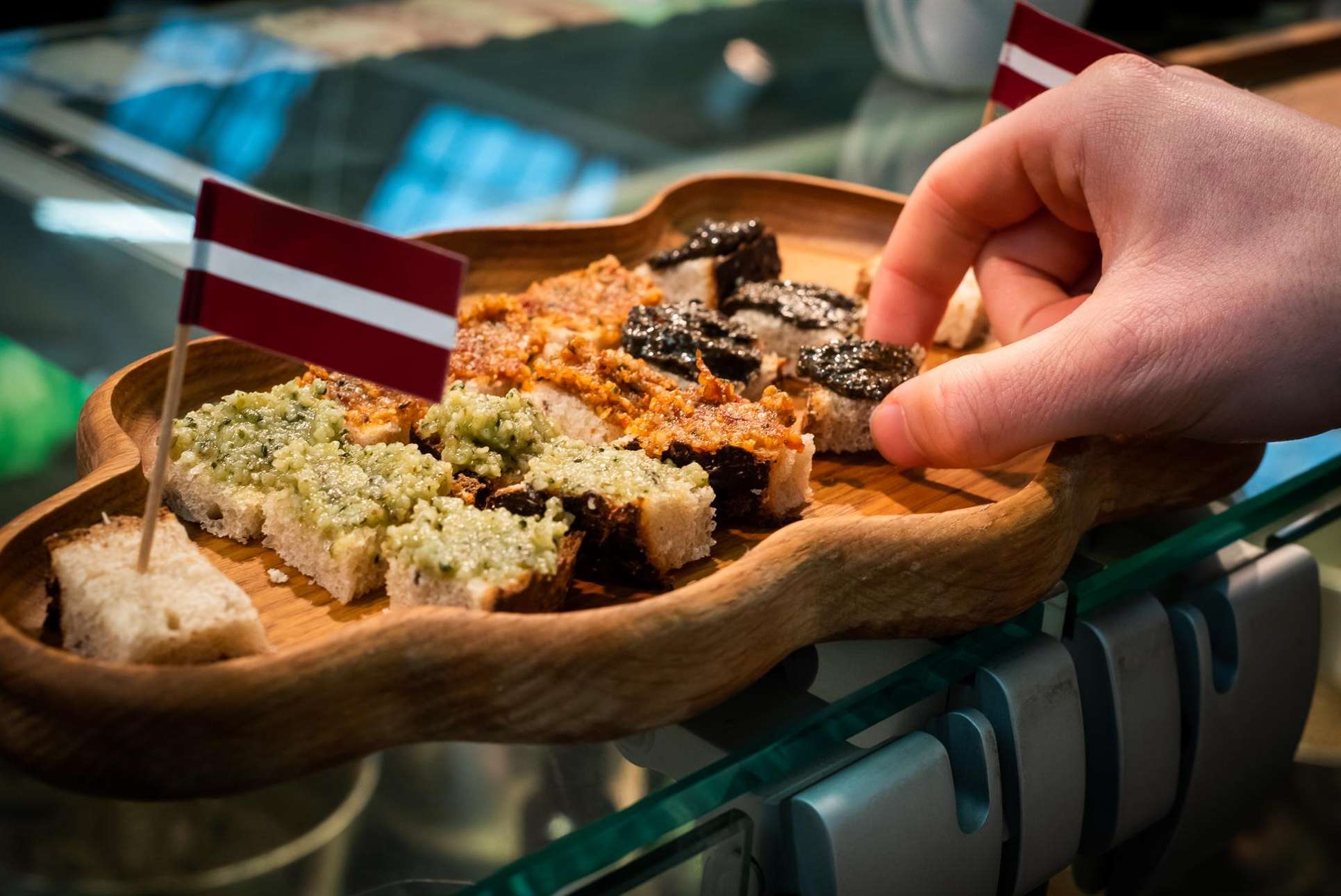
One of the most interesting places to experience local life is Riga Central Market, located close to the Old Town. It is one of Europe’s largest traditional markets and occupies five enormous former German Zeppelin hangars, converted into market pavilions during the 1920s.
Inside, you’ll find everything from Latvian cheeses and fresh bread to smoked fish, honey, seasonal produce and traditional meat products. It’s a great place to sample local specialities and discover ingredients commonly used in Latvian cooking.
Visit in the morning when the market is at its liveliest. Food lovers might also enjoy the Riga Central Market & Old Town Food Tour, which combines tastings with insights into Latvian food traditions.
6. See the Freedom Monument
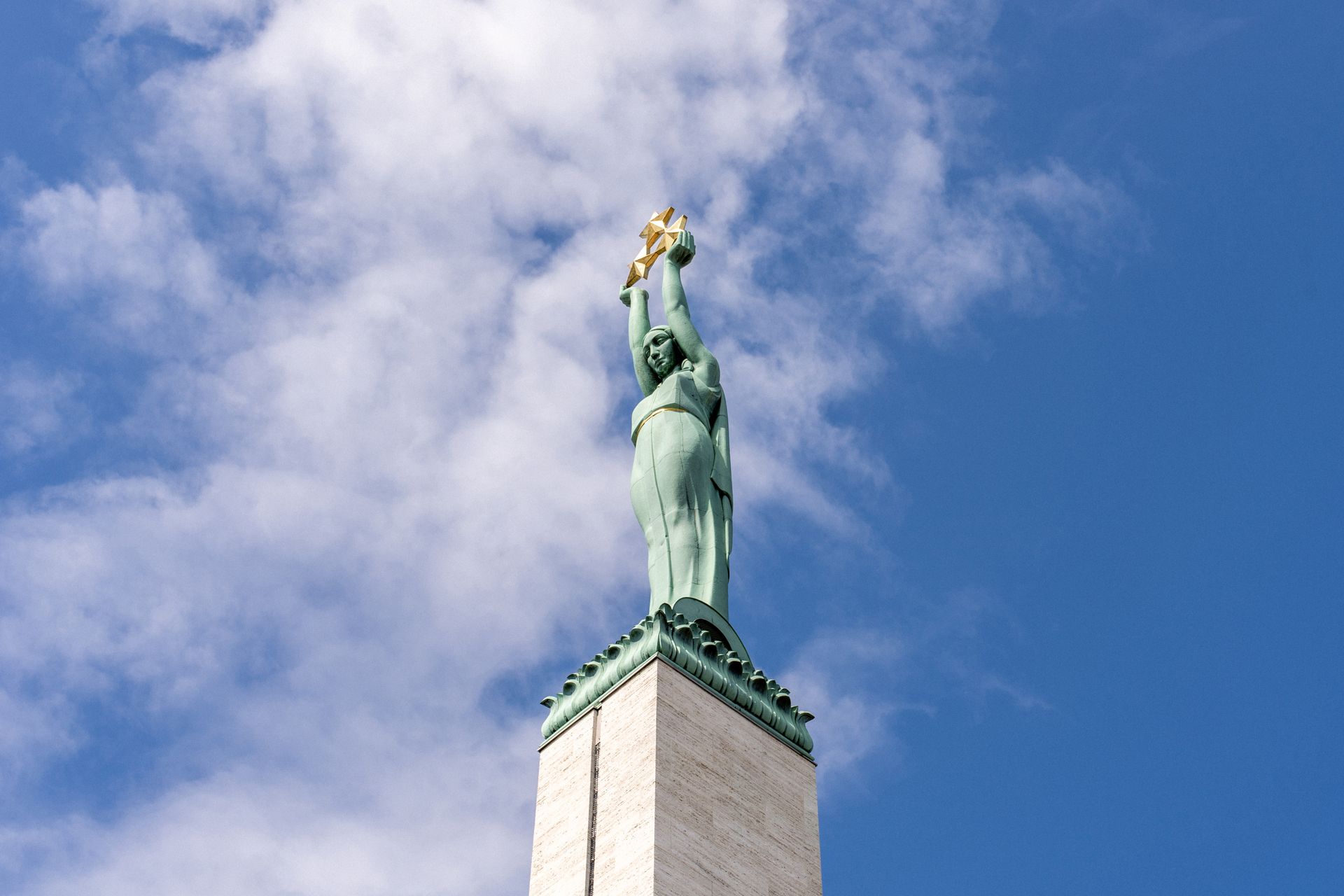
The Freedom Monument is one of Latvia’s most important national landmarks. Standing 42.7 metres tall, it was unveiled in 1935 to commemorate the country’s independence. At the top, a female figure holds three stars representing Latvia’s historic regions.
Beyond its impressive appearance, the monument has considerable historical significance and became an important symbol of Latvian national identity during the Soviet occupation.
Located between the Old Town and the central boulevards, it’s easy to include on a sightseeing walk.
7. Visit Riga Cathedral and Dome Square
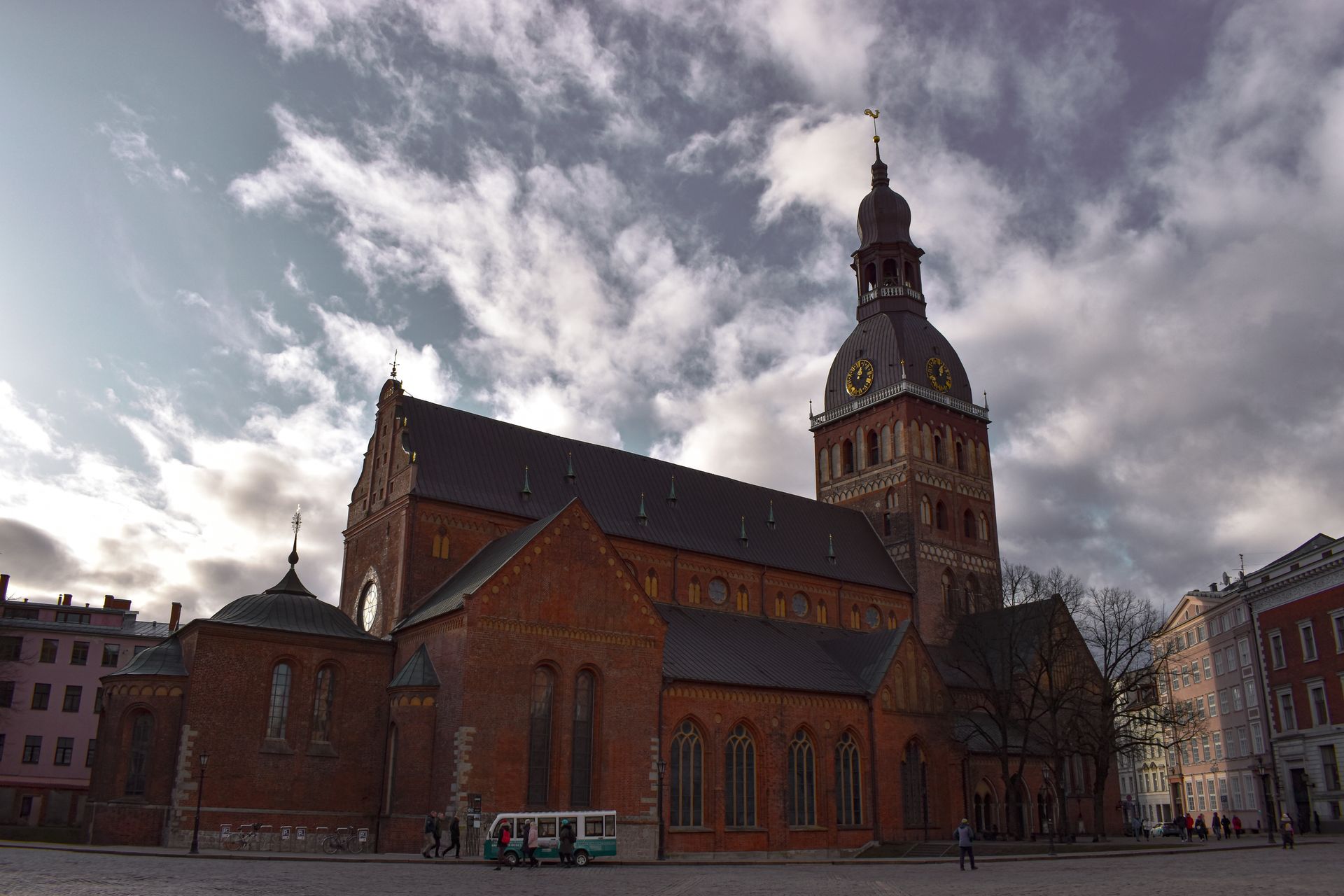
Also known as the Dome Cathedral (Rīgas Doms), Riga Cathedral is one of the oldest and largest medieval religious buildings in the Baltic region. Construction began in 1211, and centuries of alterations have resulted in an interesting combination of Romanesque, Gothic and Baroque architectural elements.
The interior is particularly worth exploring for its impressive historic organ, which is renowned for its sound. If you have time, consider attending an organ concert for a memorable cultural experience.
Afterwards, take a stroll around Dome Square, one of the Old Town’s most atmospheric spots, surrounded by historic buildings, cafés and restaurants.
8. Visit the Corner House – Riga’s Former KGB Headquarters
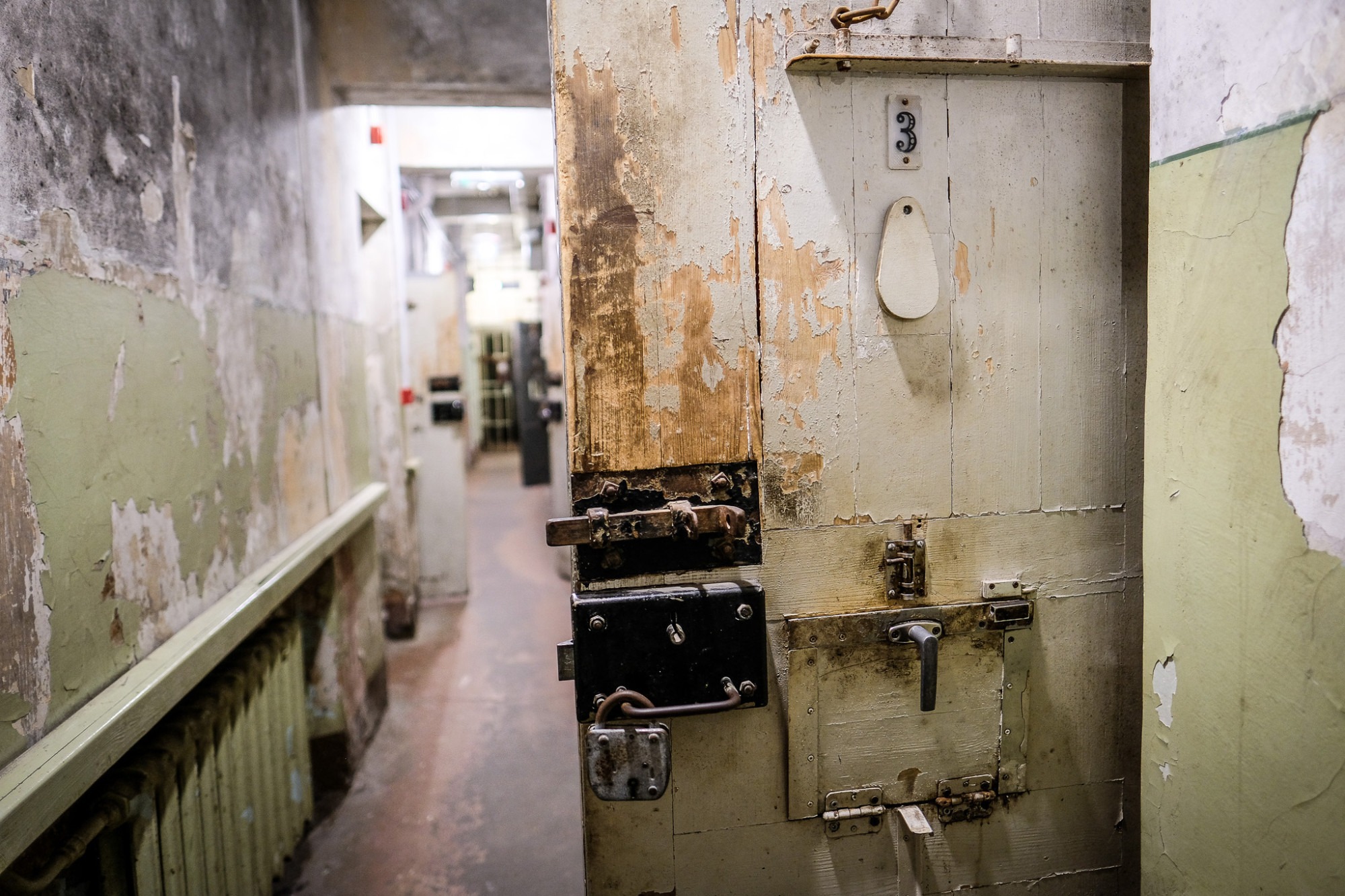
For a very different sightseeing experience, visit the Corner House (Stūra māja), the former headquarters of the Soviet KGB in Latvia. It’s one of Riga’s most sobering historical attractions and offers an insight into the country’s difficult past.
Originally built in 1912, the building later became a headquarters of the Soviet security services. During the occupation, it was used to imprison and interrogate people considered opponents of the regime.
Today, the Corner House houses an exhibition documenting the activities of the Soviet secret police and the impact of political repression on Latvian society. Guided tours take visitors through the former prison cells, corridors and basement, making this a particularly memorable visit.
The main exhibition is free, while access to the former detention facilities requires a paid guided tour (tickets can be purchased on the spot).
9. Take a Walk Through Bastejkalns Park
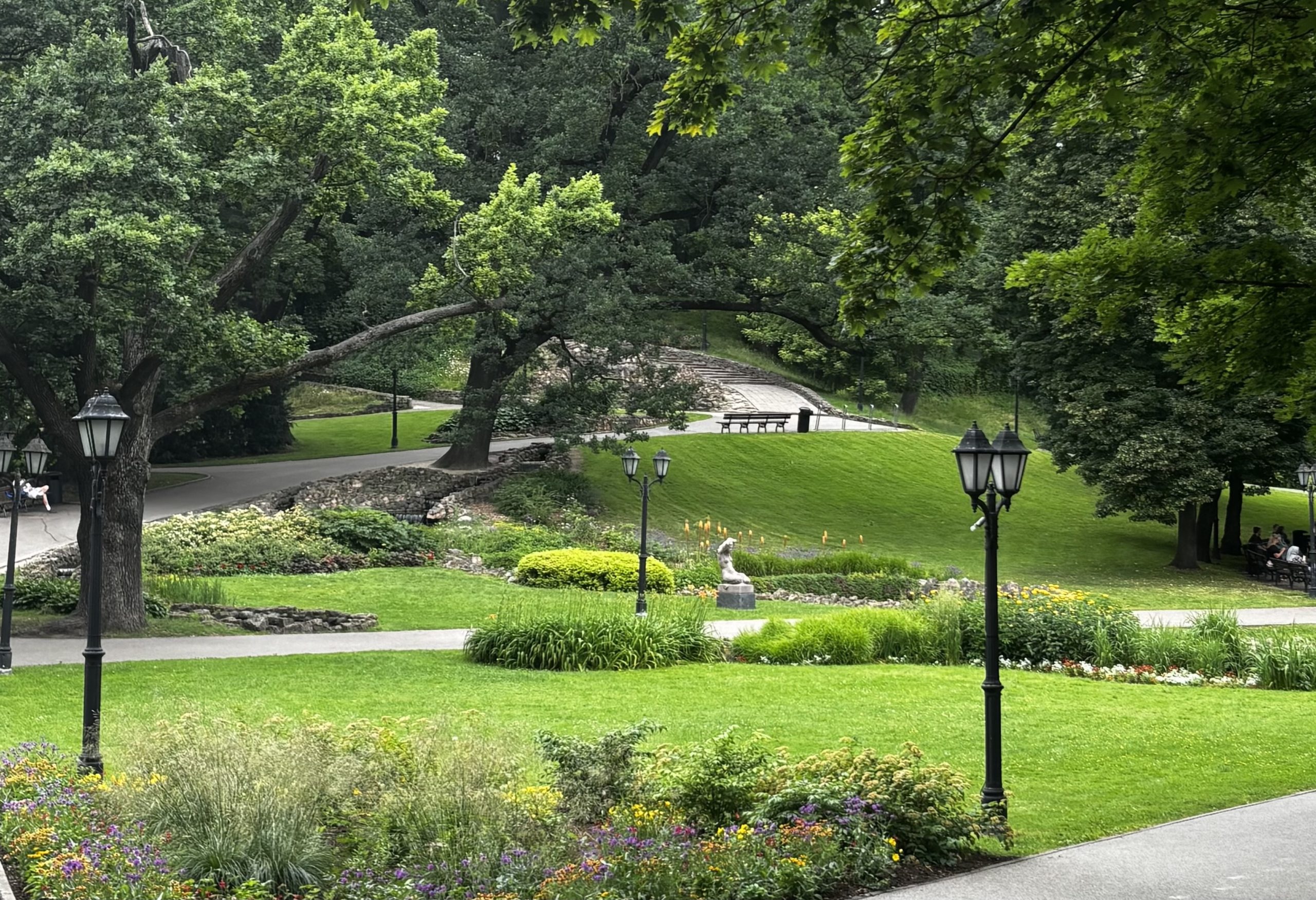
Located between the Old Town and the central boulevards, Bastejkalns Park is one of Riga’s prettiest green spaces. Built around a picturesque canal, it features winding paths, small bridges, landscaped gardens and plenty of peaceful spots to take a break from sightseeing.
The park is particularly beautiful in spring and summer, although autumn brings its own charm with colourful foliage. During the warmer months, you can also take a boat trip along the city canal and parts of the Daugava River.
It’s an easy stop to combine with the Freedom Monument and Latvian National Opera.
10. Attend a Performance at the Latvian National Opera and Ballet
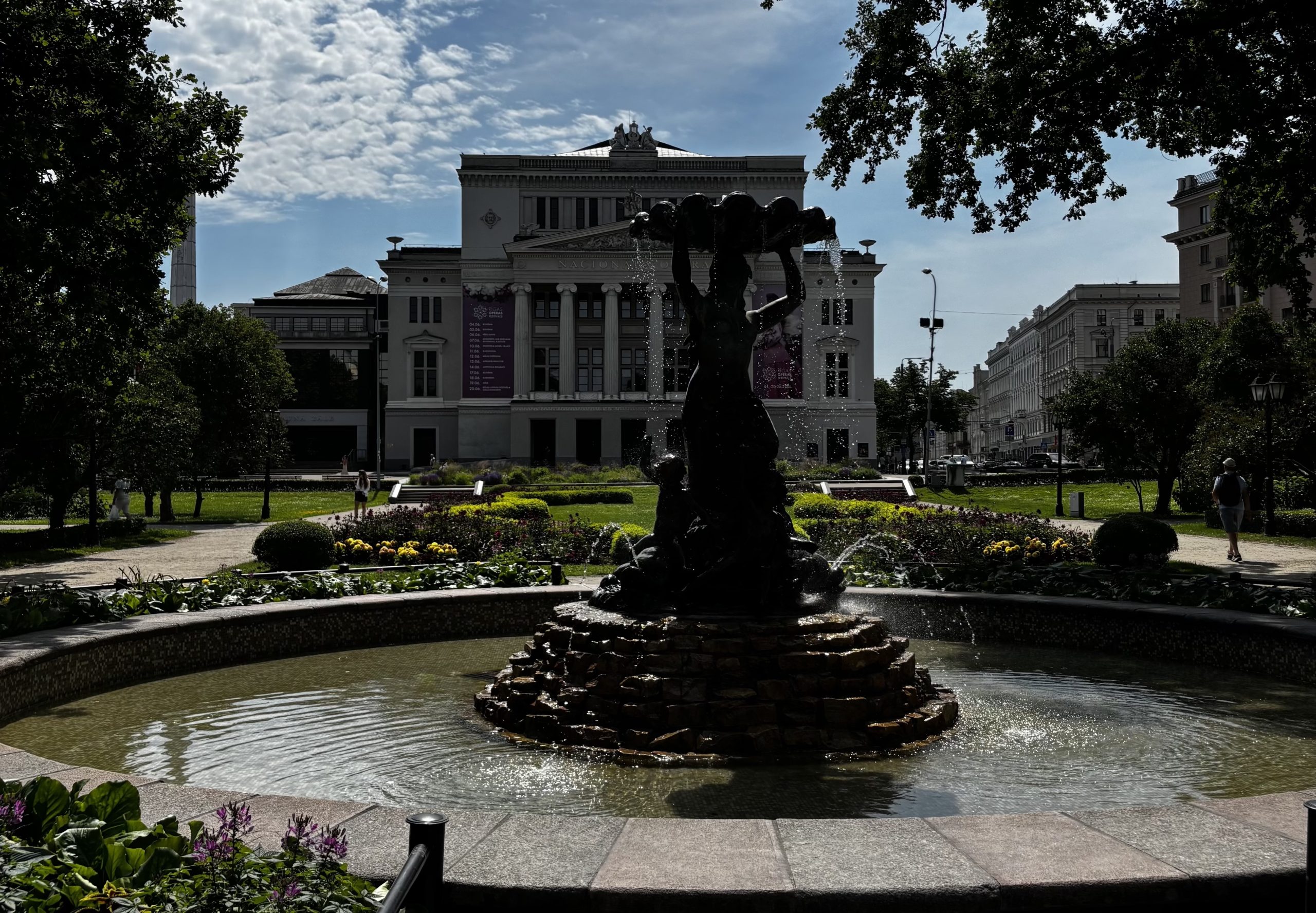
If you enjoy classical music, opera or ballet, consider booking a performance at the Latvian National Opera. Housed in an elegant Neo-Classical building dating back to 1882, it’s one of Riga’s most beautiful cultural landmarks.
The programme includes classical opera productions, ballet performances and concerts throughout the season. Even if you don’t attend a performance, the building and surrounding Opera Garden are worth seeing.
Check the program in advance and book tickets ahead of your visit, particularly during the main cultural season from September through May.
How Many Days Do You Need in Riga?
We’d recommend spending two to three days in Riga to explore the main attractions without rushing.
- One day: Focus on the Old Town, House of the Blackheads, St. Peter’s Church, Riga Cathedral and Freedom Monument.
- Two days: Add the Art Nouveau district, Central Market, Corner House and Bastejkalns Park.
- Three days: Enjoy a food tour, attend an opera or ballet performance, explore local neighbourhoods and visit Āgenskalns Market across the river.
Riga’s compact city centre makes it particularly convenient for a weekend getaway, with most major attractions within walking distance.
When Is the Best Time to Visit Riga?
Riga is a year-round destination, although the experience varies considerably depending on the season.
- Spring (April–May): A lovely time for sightseeing, with milder temperatures, fewer tourists and parks coming into bloom.
- Summer (June–August): The best season for outdoor cafés, canal cruises, walking tours and enjoying the city’s lively atmosphere. Days are long, and the city feels particularly vibrant.
- Autumn (September–October): A beautiful time to visit, with colourful foliage, comfortable sightseeing conditions and generally fewer visitors than in summer.
- Winter (November–March): Temperatures can be cold, but Riga becomes particularly atmospheric during the Christmas season, when festive lights and Christmas markets transform the Old Town.
If you’re specifically planning to visit Riga’s Christmas markets, late November and December are particularly appealing.
Where to Stay in Riga
For first-time visitors, Riga Old Town is one of the most convenient places to stay, putting you within walking distance of the main attractions, restaurants and cafés.
The Quiet Centre is another excellent option, particularly if you prefer elegant surroundings, boutique hotels and beautiful Art Nouveau architecture. Alternatively, the central boulevards offer a good balance of convenience, shopping and access to public transport.
For hotel recommendations across different budgets and neighborhoods, see our guide to the best hotels in Riga, Latvia.
Frequently Asked Questions About Visiting Riga
Absolutely. Riga is one of the most interesting city-break destinations in the Baltics, combining a UNESCO-listed Old Town, extraordinary Art Nouveau architecture, traditional food markets and a lively cultural scene. It’s also relatively easy to explore on foot, making it an excellent choice for a weekend getaway.
Two to three days is ideal for a first visit. Two days give you enough time to explore the Old Town, see the main landmarks and admire the Art Nouveau architecture. Three days allow you to enjoy the city at a more relaxed pace and discover some of its less touristy neighborhoods.
Yes. Riga is a very walkable city, particularly around the Old Town and central districts. Most of the main attractions are relatively close to one another, so you can comfortably explore much of the historic centre on foot. Public transport is available for longer journeys.
Riga is particularly famous for its beautifully preserved medieval Old Town and exceptional Art Nouveau architecture. Other well-known landmarks include the House of the Blackheads, St. Peter’s Church, Riga Cathedral and the Central Market.
Compared with many Western European capitals, Riga can be a relatively affordable city break. Accommodation, dining and public transport can offer good value, although prices vary depending on the season and type of hotel or restaurant you choose.
Some traditional Latvian dishes and ingredients worth trying include grey peas with bacon, rye bread, smoked fish, potato dishes and local cheeses. Riga Central Market is a particularly good place to sample regional produce and discover local food traditions.